I enjoy playing video games but I recognize them for what they are: a luxury past-time that is not necessary for life and one that would probably leave most of us better off if they all disappeared tomorrow.
> one that would probably leave most of us better off if they all disappeared tomorrow
I get what you are trying to say, but in general video games offer unique experience that no other media can provide - interactivity, e.g. exploring different worlds with different mechanics. I think this experience can invoke something in people that no other media can replicate. So I think we will lose something important if it suddenly vanishes.
We had a way of measuring velocity, but who cares about estimating stories when we could be spinning up more agents? Burn a bunch of tokens and those stories will be DONE before you could even find your planning poker cards!
I've lived through a bunch of initiatives about improving planning and estimation. None of them turned into a stable process that worked for anyone. I don't know if I can extrapolate from that, but it gives me an inclination that no one really trusts anything that comes out of task estimation. Which would be why we're looking for more objective metrics like token burn rate. No room for argument - tokens are tokens!
A token is approximately word generated by a LLM; a few dozen tokens gets you a line of code... so measuring token burn rate is the same as counting lines of code. All it took was a change of name, and we're back to the most primitive metric we ever got for measuring programmer productivity.
I don't think I can take anything from management in tech seriously again after tokenmaxxing.
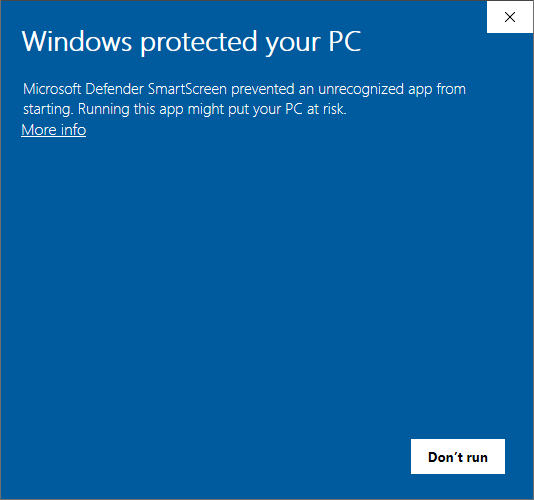
They obfuscate it more than just pressing "Yes". You get a big warning saying Microsoft Defender has protected you, and the only clear option is "Don't run"
The Business Source License is not an open source license. Open source does mean "free to use without encumbrance" - see points 5 and 6 of the Open Source Definition at https://opensource.org/osd
Approximately zero people who make real business decisions care what the OSI considers a "real open-source license" to be. They care what the text of the license says.
Also, many licenses, such as the GPL (one of the very first "open source" licenses), have certain encumbrances; you cannot redistribute GPL-licensed software without either including its source code or making it readily available.


reply