> I haven't found this to be the case, they both require effort to clean.
Electrics are (generally) a smooth flat surface. Of course you're not getting out of it entirely, but it's still a question of night and day compared to the mess of a gas stove.
Electric stoves generally use raised exposed heating coils (that are rarely able to stay level, making oil and other liquids run to one side of the pan, making frying etc. stuff a headache). I've lived in one place over 40+ years that had a flat top electric stove, and it suffered from being even slower to heat up than regular electric.
I'd kill to have a gas stove and be able to do serious stovetop cooking.
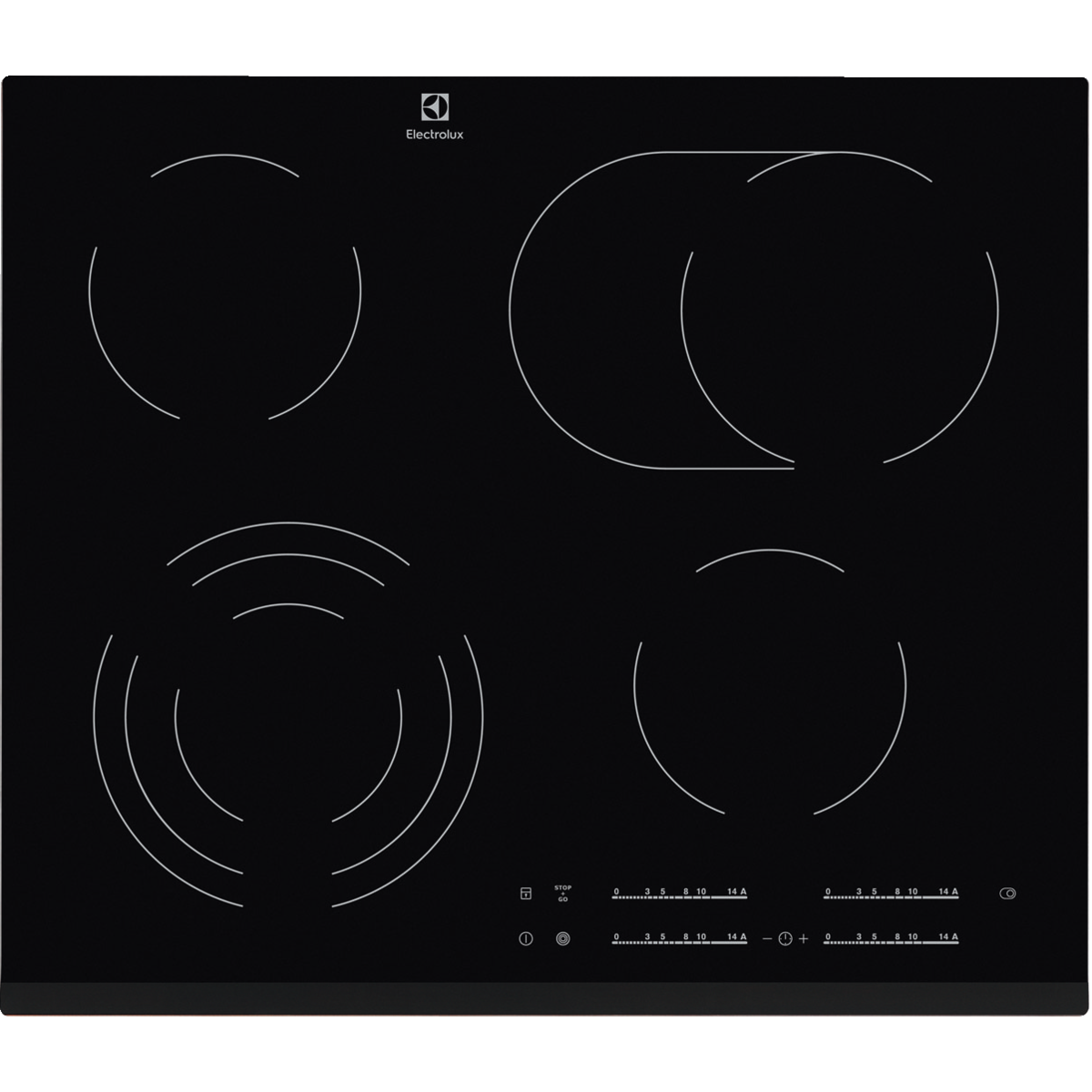
Any modern (made within the last ~20 years) electric stove is going to just have a flat top with markings, just like an induction stove.[0] Before that you'd have a flat surface with a cast iron disk protruding for each hot surface.[1] Less trivial than the flat surface, but still not too bad. I've seen.. maybe.. one with an exposed coil in my entire life, and that thing was ancient. Faaaaar from "generally use".
How exactly are they unsanity disasters? I would much rather use a urinal and never need to touch anything (besides myself, which unless I myself am unsanitary that should be clean) than need to either sit down and make contact with a surface a bunch of other people have made contact with or need to lift down and raise a lid to use that if I am standing.
Looking online I can't find anything about how they are any less sanitary than just a public bathroom is to begin with.
Unsightly, maybe, but I don't see how they're unsanitary. Urine is nearly sterile.
If you're standing up, it's also a lot easier to "hit the target" into a urinal vs. a toilet. Having a bunch of people peeing standing up into normal toilets would be a lot more gross than urinals.
That's true, but switching between all these 10ft UIs (Kodi, Steam for local games, Steam Link because its streaming client seems to be a lot less buggy than Steam's built-in one, browser for the stuff not covered above) is still kind of a mess.
If anything, things seem to have regressed slightly, since Steam removed the one good 10ft browser I'm aware of during the Steam Deck rollout.
"Made for sharing", but suggests depending on 1Password?
It also seems.. irresponsible to claim that @sensitive values "will be always be redacted in CLI output", when the whole point of something like Varlock is to configure some external application that it doesn't control.
And what does "AI-friendly" mean here anyway... beyond, I suppose, varlock being AI slop itself.[0]
We say "made for sharing" because .env.schema replaces .env.example which always drifts from reality - and often requires insecurely sharing secrets manually.
Even if not setting values within your files, you can rely entirely on env vars in the platform where the code runs and still benefit from validation provided by varlock.
Right now we give 1Password as an example, but you can use any provider that has a CLI. We are also working on a plugin system that should make it easier to integrate with any provider.
As for redaction - that note is about how we redact your secrets from _our_ CLI output. However we also provide tools to redact within your application. Right now this works only in JavaScript, by patching global console methods. We will also hook into stdout for varlock run, similar to what the 1Password cli does.
The leak detection is much more interesting - especially in hybrid client/server frameworks, where you can easily shoot yourself in the foot.
By removing plaintext secrets from env files, we totally remove the risk of them leaking via AI code assistants, which I guarantee is happening millions of times a day right now. Also the schema itself and autogenerated types give AI much more context about your env.
I don’t know about varlock, but 1Password’s `op` CLI tool seems to hook the STDOUT pipe and find/replace any instances of the secrets with “concealed by 1Password”. It works even if I drop into a REPL and try every way I can think of to print it out to the console.
So it would seem, on that front, that 1Password is doing the heavy lifting.
Using 1Password in this way has proven way better than storing .env files in plain text on dev machines, where the .env files get picked up if a company does backups, or someone stores a repo in their Dropbox folder, file gets flagged as potential malware and uploaded somewhere for further analysis, etc.
Exactly. We will do that to stdout - and can patch JS itself too.
The goal here is to just make it dead simple to do the right thing with minimal effort. Get secrets out of plaintext, avoid the need to send them around insecurely, and help make sure you don't shoot yourself in the foot, which is surprisingly easy to do in hybrid server/client frameworks like Next.js.
Can you set up validations, syncing with various backends, and these protections all of this yourself by wiring together a bunch of tools with custom code? Of course... But here's one that will do it all with minimal effort.
> A better solution would be a ‘blacklist’ of languages you understand—so YouTube only auto‑translates from languages you don’t speak, and always leaves familiar languages in their original form.
A better solution would have been to just not ship this disaster of a "feature" in the first place.
I wouldn't want my browser to automatically translate every page I go to (without my consent!) either, and that would've been a much easier job!
That wouldn't help retrocomputing users at all, who are specifically trying to reproduce specific software/hardware combinations. If that old setup required Windows, well.. guess they need Windows and those specific drivers.



The Gartner model doesn't actually have anything to say about technology, it's just astrology for rich people.